
Industry 4.0 Automation for Irish Manufacturers: A Practical Starting Point
Industry 4.0 is not a technology project. It is an operational shift – from fragmented, labour-dependent processes to connected, consistent, predictable flow. For most Irish and Northern Irish manufacturers, the fastest and most practical entry point is not a full digital transformation programme. It is eliminating the hidden waste that costs you throughput every single day. It starts with how your materials move.
What Industry 4.0 Means in a Real Factory
Industry 4.0 connects people, processes, and technology to create operations that are measurable, adaptable, and scalable. In regulated manufacturing environments – medical devices, pharmaceuticals, precision engineering – this means more than connectivity. It means consistency, traceability, and removing the variables that create risk.
Most factories lose significant operator time and throughput not in production, but between production steps. Material movement, kitting runs, WIP transfers, line replenishment. These are repetitive, predictable tasks that should not depend on manual labour. Automating them is where Industry 4.0 delivers its fastest return.
Why Automate Material Movement First
Motion and waiting are two of the largest sources of waste in any manufacturing operation. When operators spend time transporting rather than producing, the entire system slows. Variability enters the process. Throughput drops. Safety risk increases.
Automating internal transport delivers measurable results quickly because it:
- Removes non-value-add motion from operator roles
- Eliminates timing variability in material delivery
- Standardises how material arrives at point of use
- Reduces safety risks from ad hoc manual handling
- Increases operator availability for productive, skilled work
This is the automation pathway with the shortest distance to ROI. It does not require a complete process overhaul. It requires identifying the repetitive flows that are slowing your operation and removing the manual dependency from them.
Mobile Robots as a Practical Industry 4.0 Entry Point
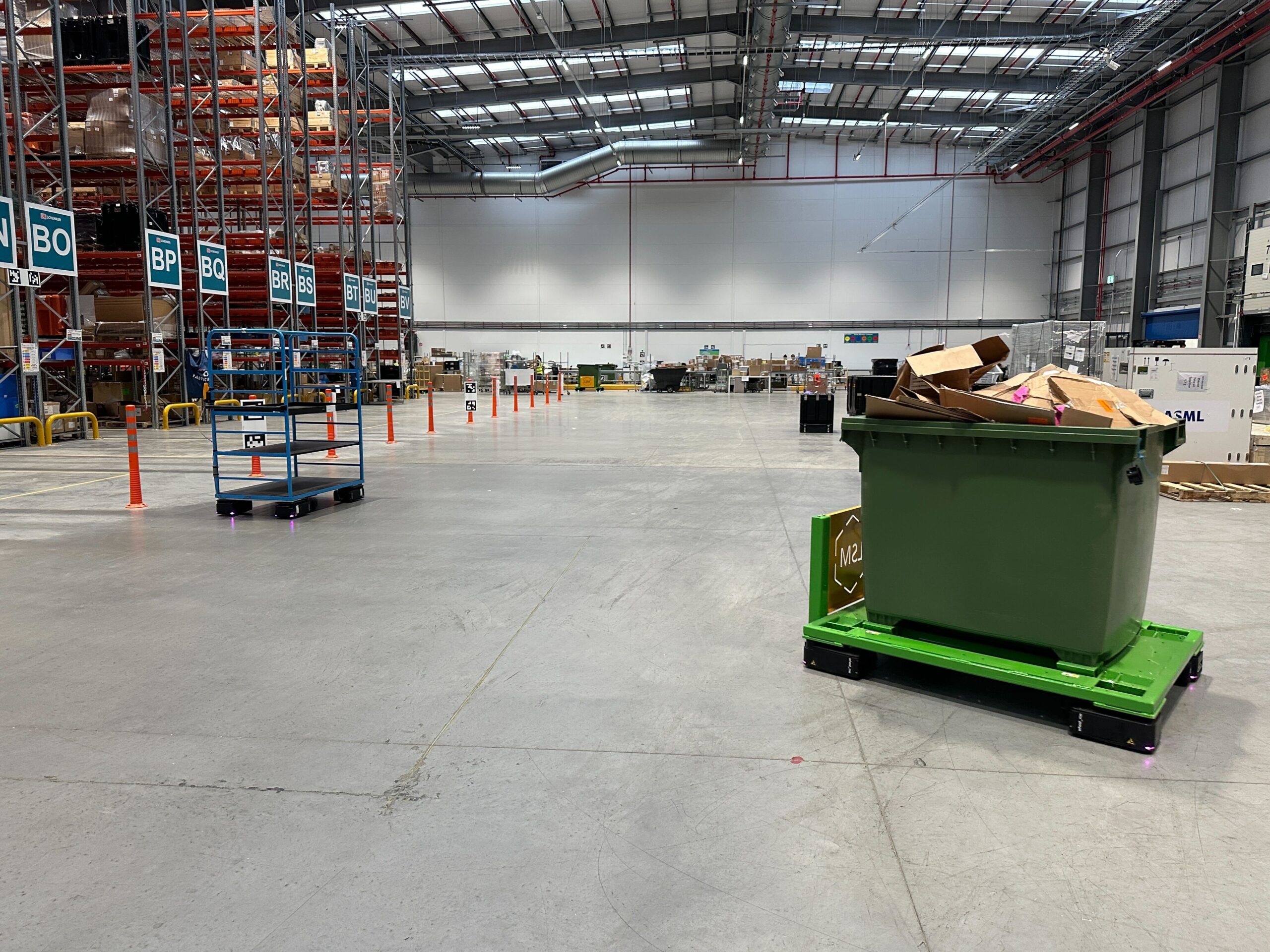
Mobile robots automate internal transport without fixed infrastructure, dedicated tracks, or production shutdowns. They move materials between supermarkets, kitting areas, production cells, cleanrooms, labs, packing zones, and dispatch areas with consistent timing and significantly reduced labour dependency.
For manufacturers in regulated industries, this matters beyond efficiency. Consistent, documented material movement supports traceability, reduces handling errors, and removes variability from controlled environments.
Mobile robots support your operation by:
- Making material flow predictable and repeatable
- Reducing operator handling and associated risk
- Eliminating unnecessary walking and waiting time
- Supporting flexible layouts and rapid changeovers
- Scaling with your operation without redesigning the facility
They are particularly well suited to environments where product mix, batch sizes, or layouts change frequently — which describes most Irish medical device and pharmaceutical facilities operating today.
wheel.me – Automation Without Replacing Your Equipment
Most mobile robot solutions require you to purchase dedicated robot platforms to replace your existing carts and trolleys. wheel.me takes a different approach entirely.
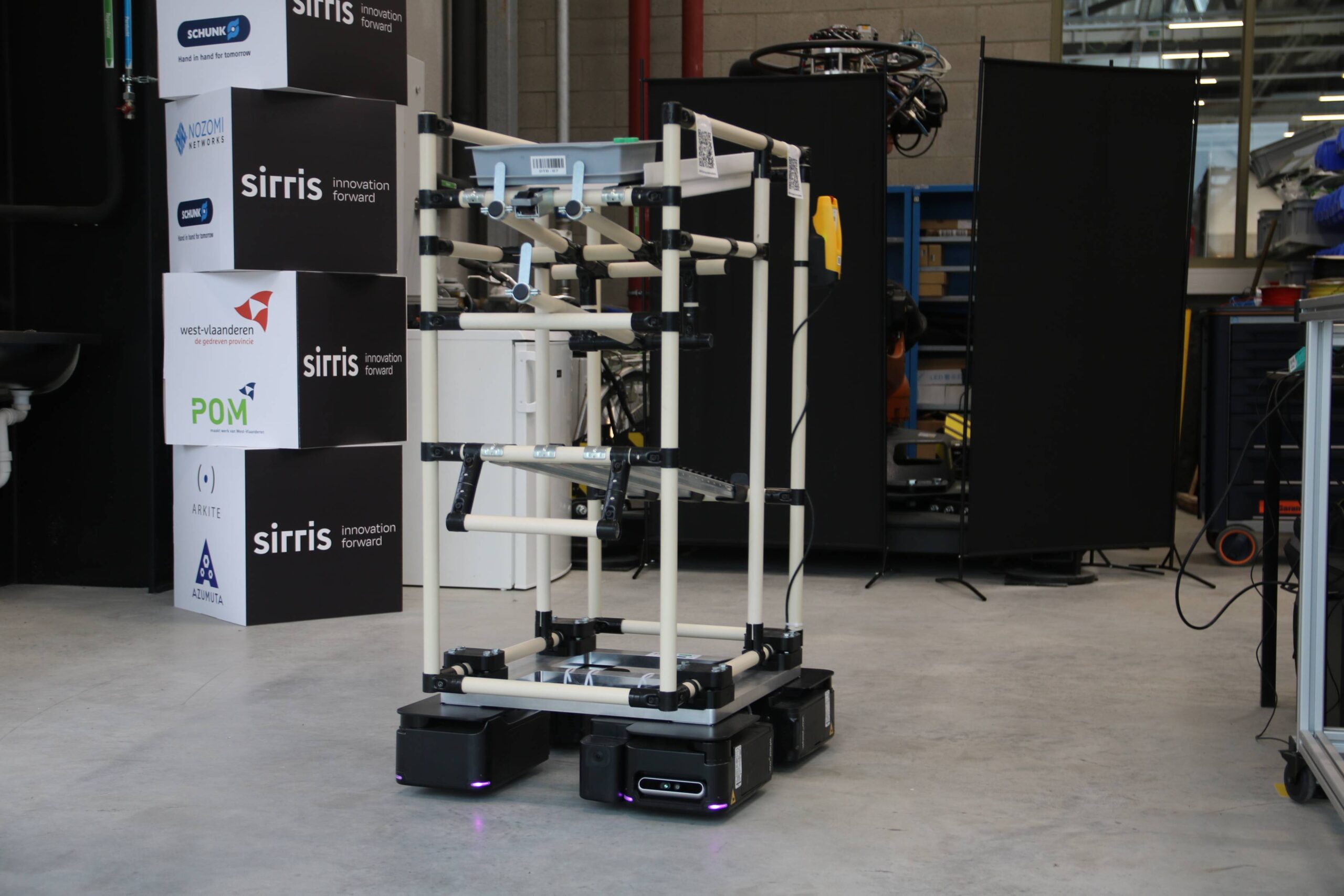
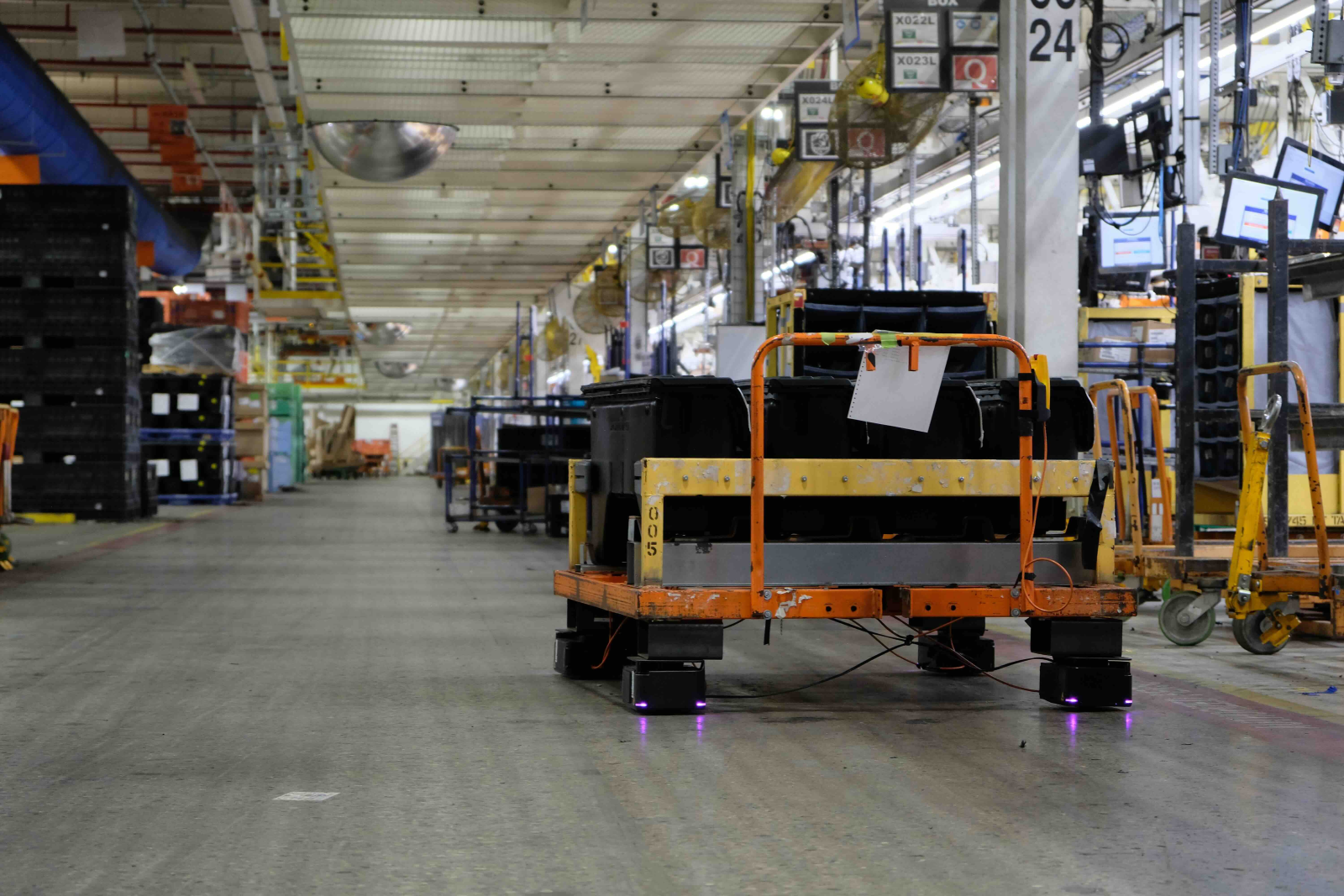
wheel.me converts your existing carts, racks, trolleys, and equipment into autonomous movers. It does this by replacing standard casters with intelligent autonomous wheels. Your existing assets become the robot. No new platforms. No redesigned workflows. No operational disruption.
ATC Group is the Irish distributor for wheel.me. We have wheel.me running live in our Shannon facility. You can see it operating in a real manufacturing environment before you make any decision.
wheel.me is the right solution when:
- You want automation with minimal disruption to current operations
- You have multiple cart types or variants in use
- Your layouts evolve and you need flexibility built in
- You need rapid deployment without lengthy integration projects
- You want to avoid the capital cost of multiple specialised robot bases
It lets you start your Industry 4.0 automation journey without rebuilding how your operation works.
Where Automation Delivers Value Fastest
The highest-return use cases for mobile robot automation in manufacturing are predictable, repetitive flows that currently depend on manual labour:
- Line-side replenishment from supermarket to point of use
- Kitting delivery and returns between stores and assembly
- WIP transfer between workstations or production cells
- Material movement between cleanrooms, labs, or controlled environments
- Finished goods movement to packing or staging areas
- Repetitive long-distance internal transport routes
- Off-shift material movement that frees daytime operator capacity
If your operators are walking to move material rather than applying their skill to production, that is your starting point.
See It Running. Then Decide.
ATC Group operates a live manufacturing facility in Shannon, Co. Clare. wheel.me is running there now. You can visit and see autonomous material movement operating in a real environment.
If you prefer, we also offer a virtual demonstration with a member of our technical team.
Either way, you speak directly with people who understand manufacturing operations.
No commitment. No pressure. Just a real conversation about whether this is the right fit for your facility.
Autonomous Mobile Robot for Manufacturing
What is Industry 4.0 in manufacturing?
Industry 4.0 is the integration of digital technology, automation, and connected systems into manufacturing operations. It shifts factories from isolated, manually dependent processes to operations that are measurable, adaptable, and consistently productive. For most manufacturers, implementation begins with automating the repetitive tasks that consume the most operator time – starting with internal material movement.
Why automate intralogisitcs first?
Internal material movement – transporting WIP, kits, and finished goods between workstations, stores, and cells – is one of the largest sources of non-value-add time in manufacturing. It is repetitive, predictable, and does not require human judgement. Automating it delivers fast ROI, frees skilled operators for productive work, and immediately improves flow consistency without touching core production processes.
What are mobile robots and how do they work in manufacturing?
Mobile robots are autonomous vehicles that transport materials within a facility without fixed tracks or permanent infrastructure. They navigate dynamically, adapt to layout changes, and operate reliably in demanding environments including cleanrooms, kitting areas, and production cells. They remove timing variability from material delivery and reduce reliance on manual handling.
What are common high-return use cases for mobile robots in factories?
Use cases include line-side replenishment, kitting, WIP transfer, material movement between areas, finished goods staging, and long-distance internal transport, especially when manual handling limits efficiency.
What makes wheel.me different from other mobile robot solutions?
wheel.me does not replace your existing carts and trolleys with dedicated robot platforms. Instead, it converts your current assets into autonomous movers by replacing standard casters with intelligent autonomous wheels. This means lower capital cost, faster deployment, greater flexibility, and no disruption to how your operators currently work.
Is wheel.me suitable for regulated manufacturing environments?
Yes. wheel.me operates effectively in medical device and pharmaceutical manufacturing environments, including cleanroom-adjacent and controlled areas. Consistent, documented material movement supports traceability and reduces handling variability, both critical requirements in regulated facilities.
How do I know if mobile robot automation is right for my facility?
If your operators regularly move materials between fixed points on a repeatable schedule, that flow is a candidate for automation. ATC Group offers both a live facility demonstration in Shannon and a virtual technical consultation. You can see wheel.me operating in a real manufacturing environment and assess fit before making any decision.