
Manufacturing Automation for Real Operations
A practical starting point for real factories
Manufacturing automation is a core pillar of Industry 4.0, the shift from isolated processes to connected, digital operations.
Manufacturing automation is about doing work with less friction, fewer manual steps, and more predictable flow. Most factories do not start with advanced analytics or complex digital projects. They start by removing the movement that slows everything down.
Automating internal transport, the repeated moving of materials, kits, WIP, and finished goods, is one of the fastest ways to free operator time, increase throughput, and stabilise the process. This is where mobile robots, including wheel.me, deliver immediate value.
Why factories automate material movement first
Most operational losses come from motion, waiting, and inconsistent flow. When people spend time transporting rather than producing, the entire system slows down. Automating these repetitive movements delivers measurable benefits quickly because:
• It removes non-value-add motion
• It eliminates variability in timing
• It standardises how material arrives at point-of-use
• It reduces safety risks associated with ad hoc manual transport
• It increases operator availability for productive work
This is automation with the shortest path to ROI.
Mobile robots as a practical entry point
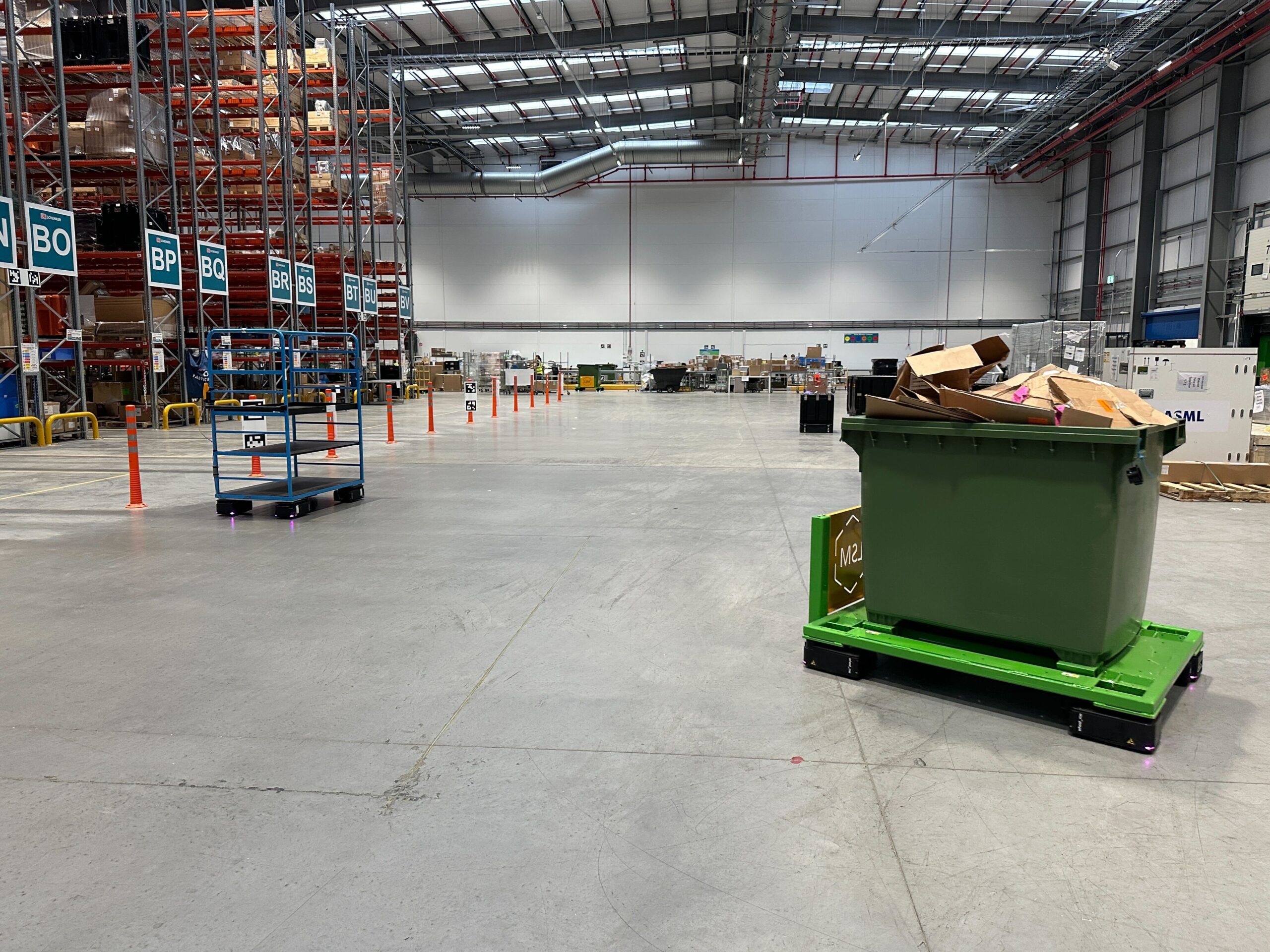
Mobile robots automate internal transport without heavy infrastructure, fixed paths, or shutting down production lines. They can move materials between supermarkets, kitting areas, cells, packing, labs, cleanrooms, and dispatch zones with consistent timing and lower labour dependency.
Mobile robots support automation by:
• Making flow predictable
• Reducing operator handling
• Eliminating unnecessary walking time
• Supporting flexible layouts and rapid changeovers
• Scaling up or down without redesigning the factory
They fit environments where product mix, volumes, or layouts change frequently.
wheel.me, automation without rebuilding your carts
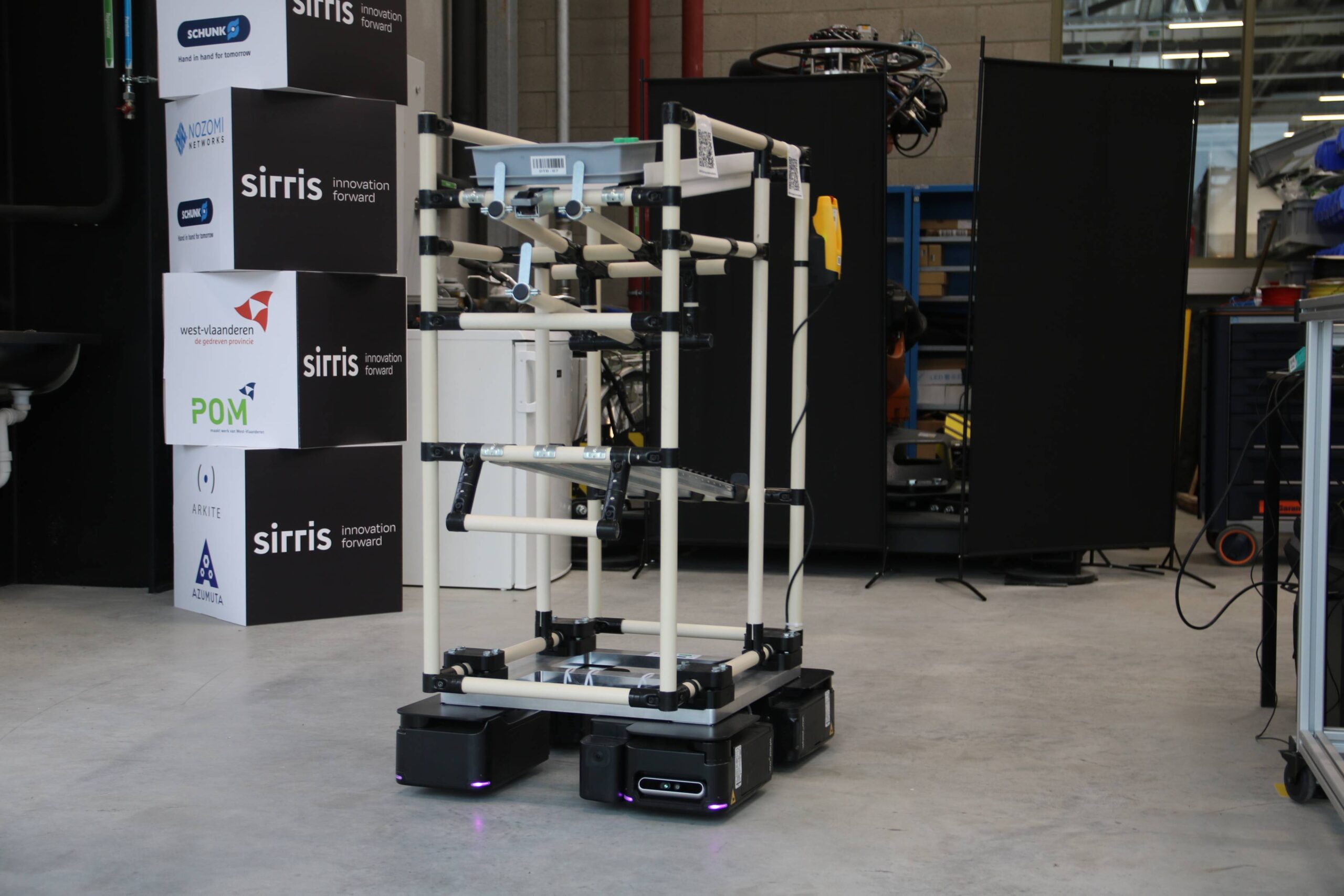
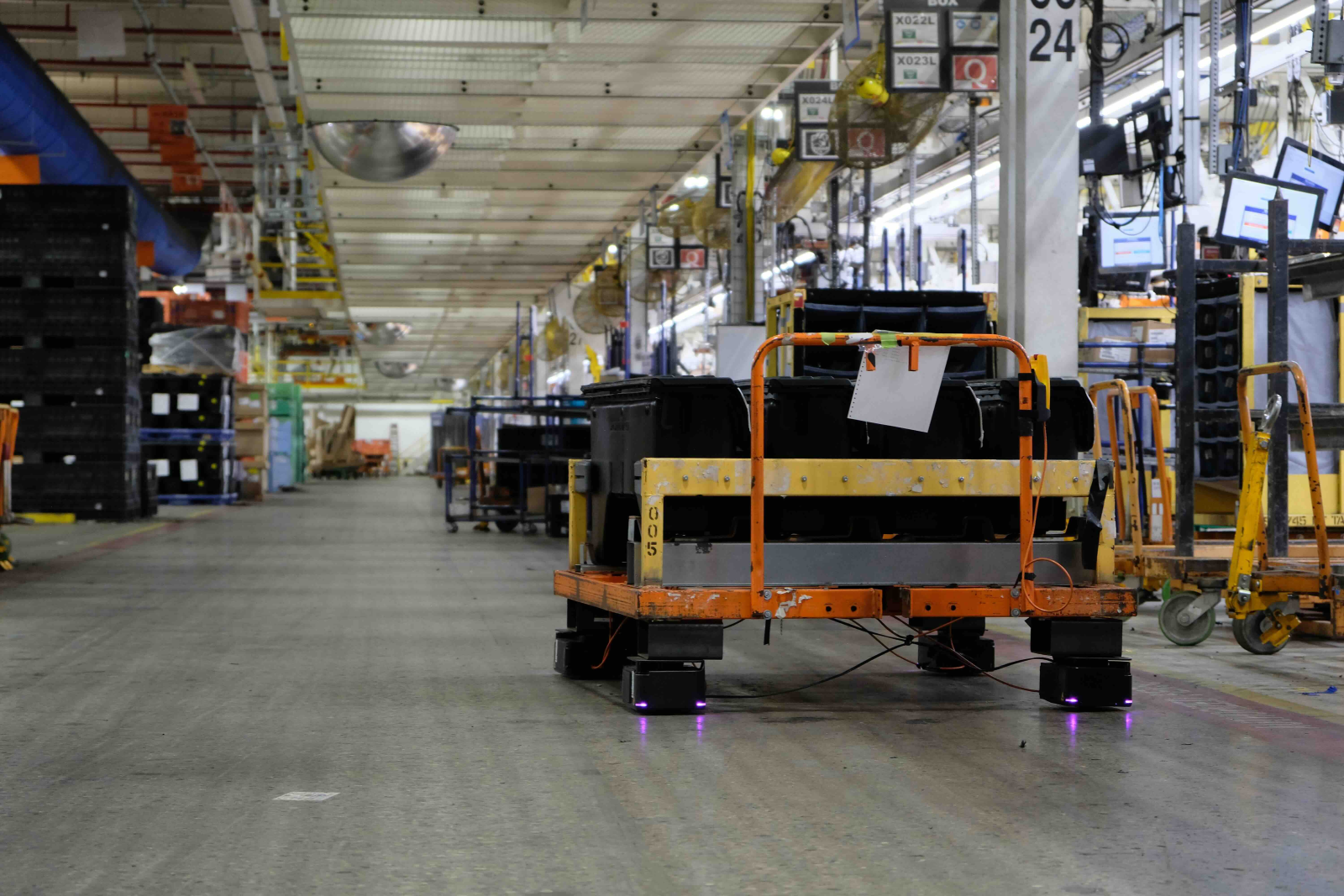
wheel.me takes a different approach to automation. Instead of buying dedicated mobile robot platforms, the wheel.me solution converts your existing carts, racks, trolleys, and equipment into autonomous movers by replacing the casters with autonomous wheels.
This is valuable when:
• You want automation with minimal disruption
• You have many cart types or variants
• You need flexibility as layouts evolve
• You want rapid deployment
• You want to avoid the cost of multiple specialised robot bases
It lets you automate transport without redesigning how operators work.
Where automation delivers value fastest
High-return use cases include:
• Line-side replenishment
• Kitting delivery and returns
• WIP transfer between workstations
• Material movement between cleanrooms, labs, or controlled areas
• Finished goods movement to packing or staging
• Repetitive long-distance internal transport
• Off-shift material movement that frees daytime operator capacity
These are predictable flows that should not depend on manual labour.
.
Frequent Questions
Manufacturing automation replaces manual, repetitive work with technologies that execute tasks consistently, improve flow, and reduce waste. It includes robotics, software, mobile robots, and digital systems that stabilise operations.
Material movement costs time, labour, and throughput. Automating it delivers immediate impact without needing major layout redesigns or complex digital projects.
Mobile robots are autonomous systems that move materials within a factory. They navigate floors, transport loads, and execute repeated routes with consistency and safety.
Mobile robots automate internal transport, freeing operator time, increasing throughput, and stabilising processes by removing non-value-added motion, reducing variability, and supporting flexible layouts without heavy infrastructure.
Use cases include line-side replenishment, kitting, WIP transfer, material movement between areas, finished goods staging, and long-distance internal transport, especially when manual handling limits efficiency.
Wheel.me converts existing carts, racks, and trolleys into autonomous movers by replacing casters with autonomous wheels, allowing rapid deployment, minimal disruption, and flexibility without redesigning equipment or layouts.