What are industrial floor mats?
Industrial floor mats are protective and ergonomic matting systems used in manufacturing environments to reduce slip risk, reduce operator fatigue, control contamination, and dissipate static electricity in sensitive areas.
They are typically installed at standing workstations, assembly lines, inspection stations, machine interfaces, entrances to controlled areas, and electronics production zones.
ATC Group supplies industrial matting solutions in Ireland for regulated and general manufacturing environments, helping companies improve safety, ergonomics, and operational control without unnecessary complexity.
When should industrial floor mats be used?
Industrial matting should be considered when:
• Operators are standing for prolonged periods
• Static discharge poses a risk to electronics or sensitive components
• Cleanroom or controlled areas require contamination control
• Slip or trip risk is present in walkways or machine areas
• Floor conditions contribute to discomfort or injury risk
Correct mat selection is not cosmetic. It is a safety, quality, and performance decision.
Types of Industrial Floor Mats
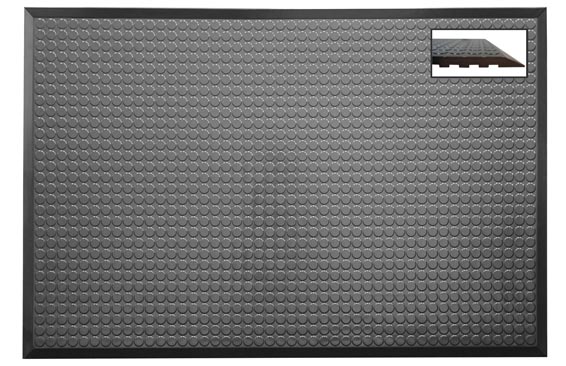
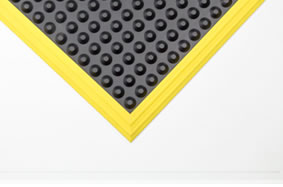
Anti-Fatigue Mats for Standing Workstations
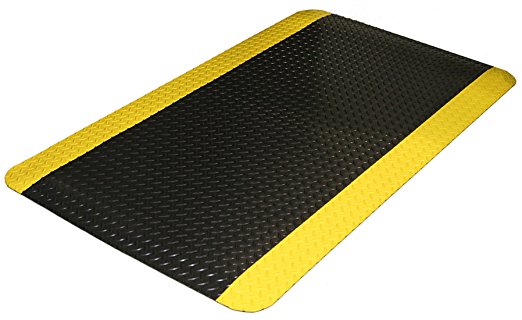
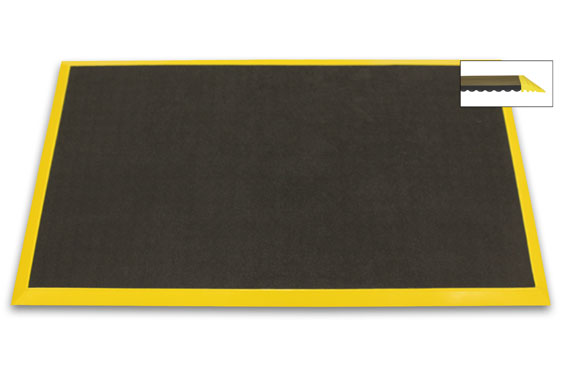
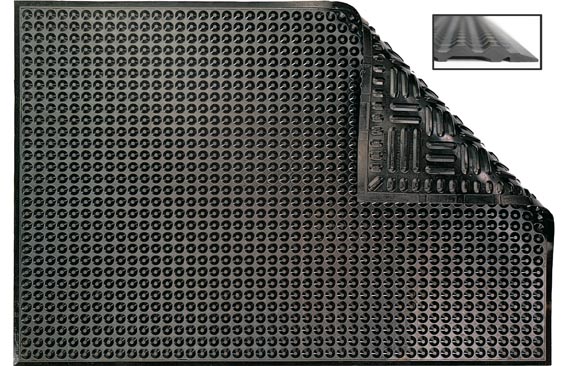
Anti-fatigue matting is designed to reduce strain on feet, knees, hips, and lower back during prolonged standing.
These mats are typically used at:
• Assembly benches
• Packing stations
• Inspection areas
• Production cells
Key considerations:
• Thickness and density
• Surface durability
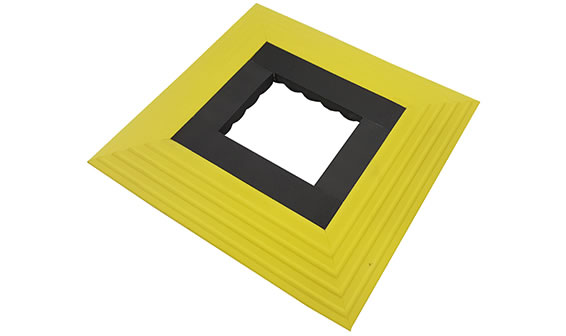
• Bevelled edges to reduce trip risk
• Chemical and oil resistance where required
Properly specified anti-fatigue matting supports operator comfort and can reduce fatigue-related errors over long shifts.
ESD Floor Mats for Electronics and Controlled Areas
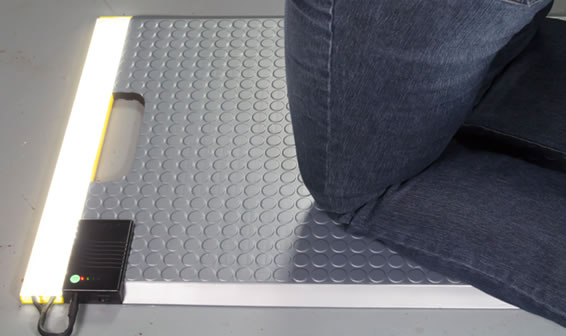
ESD (Electrostatic Discharge) floor mats are used in electronics manufacturing and controlled environments where static build-up can damage components.
Typical applications include:
• PCB assembly areas
• Electronics inspection stations
• Controlled production cells
Key considerations:
• Resistance range compliance
• Grounding method
• Compatibility with ESD footwear and wrist straps
ESD matting must be correctly specified and integrated into your static control system.
Sticky Mats for Cleanroom Entrances
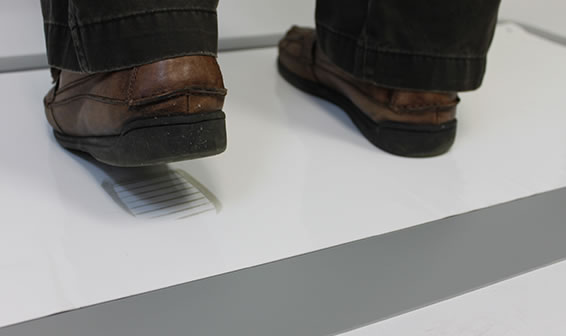
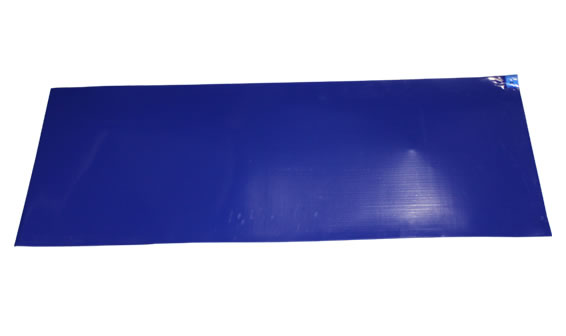
Sticky or adhesive mats are used at the entry to cleanrooms or controlled environments to remove dust and particles from footwear and trolley wheels.
Typical locations:
• Gowning rooms
• Cleanroom entrances
• Controlled inspection zones
Key considerations:
• Number of peel-away layers
• Adhesive strength
• Frame or recessed installation
These mats help reduce contamination transfer without mechanical systems.
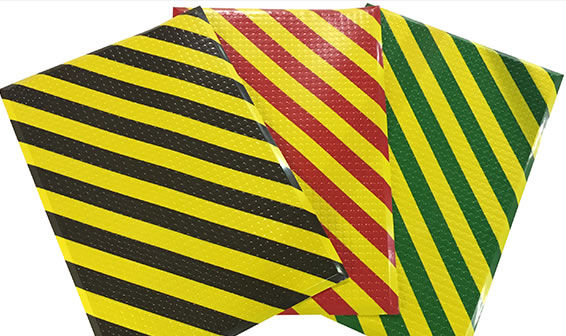
Safety Mats for Walkways and Wet Areas
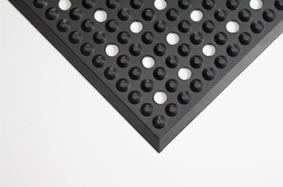
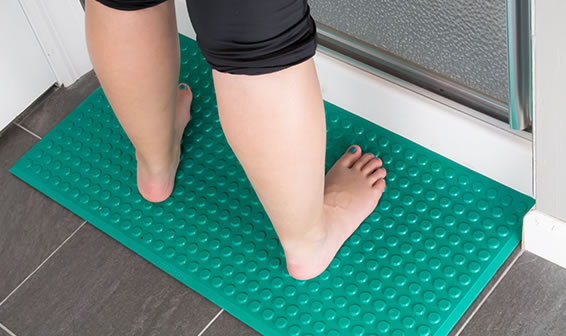
Safety matting is used to improve grip and reduce slip risk in areas exposed to moisture, oils, or debris.
Typical areas:
• Machine perimeters
• Washdown zones
• High-traffic walkways
Key considerations:
• Surface grip profile
• Drainage capability
• Edge visibility
Correct safety matting reduces incident risk and improves overall workplace safety.
How Do I Choose the Right Industrial Floor Mat?
Selection depends on the operational problem you are solving.
If the issue is operator fatigue → Anti-fatigue matting
If the issue is static discharge → ESD matting
If the issue is contamination at entry points → Sticky mats
If the issue is slip risk → Safety matting
ATC works with manufacturers across Ireland to assess use case, environment, and operational constraints before recommending a solution.
Industrial Matting for Regulated Manufacturing
In regulated industries such as medical device and pharmaceutical manufacturing, matting must align with hygiene, cleanability, and process control requirements.
Selection may need to consider:
• Cleanroom compatibility
• Chemical resistance
• Integration with workstation layouts
• Validation and documentation needs
Industrial matting should support your process, not interfere with it.
Why Source Industrial Floor Mats from ATC Group?
ATC Group is based in Shannon, Ireland and supports manufacturers nationwide.
We provide:
• Selection advice based on real production environments
• Anti-fatigue, ESD, sticky, and safety matting options
• Integration with workstations, trolleys, and modular builds
• Practical, Lean-focused recommendations
Frequent Questions
In environments where operators stand for prolonged periods, anti-fatigue matting can improve comfort and reduce strain. Selection should be based on task duration, surface conditions, and workstation layout.
Available types include anti-fatigue mats, adhesive mats, safety mats, anti-static mats, and ESD mats for static-sensitive environments.
ESD mats are used in environments where static dissipation is critical, such as electronics assembly, to prevent static buildup and protect sensitive components.
ESD mats are designed to safely dissipate static electricity to ground within a defined resistance range. Anti-static mats reduce static build-up but may not provide controlled discharge. Electronics manufacturing typically requires certified ESD solutions.
Thickness depends on task duration and stability requirements. Thicker is not always better. Balance cushioning with operator stability and trip risk.
Maintenance depends on material type. Some mats require regular cleaning with approved agents, while adhesive mats require layer replacement.
Explore Industrial Mats